
Last updated October 30, 2026
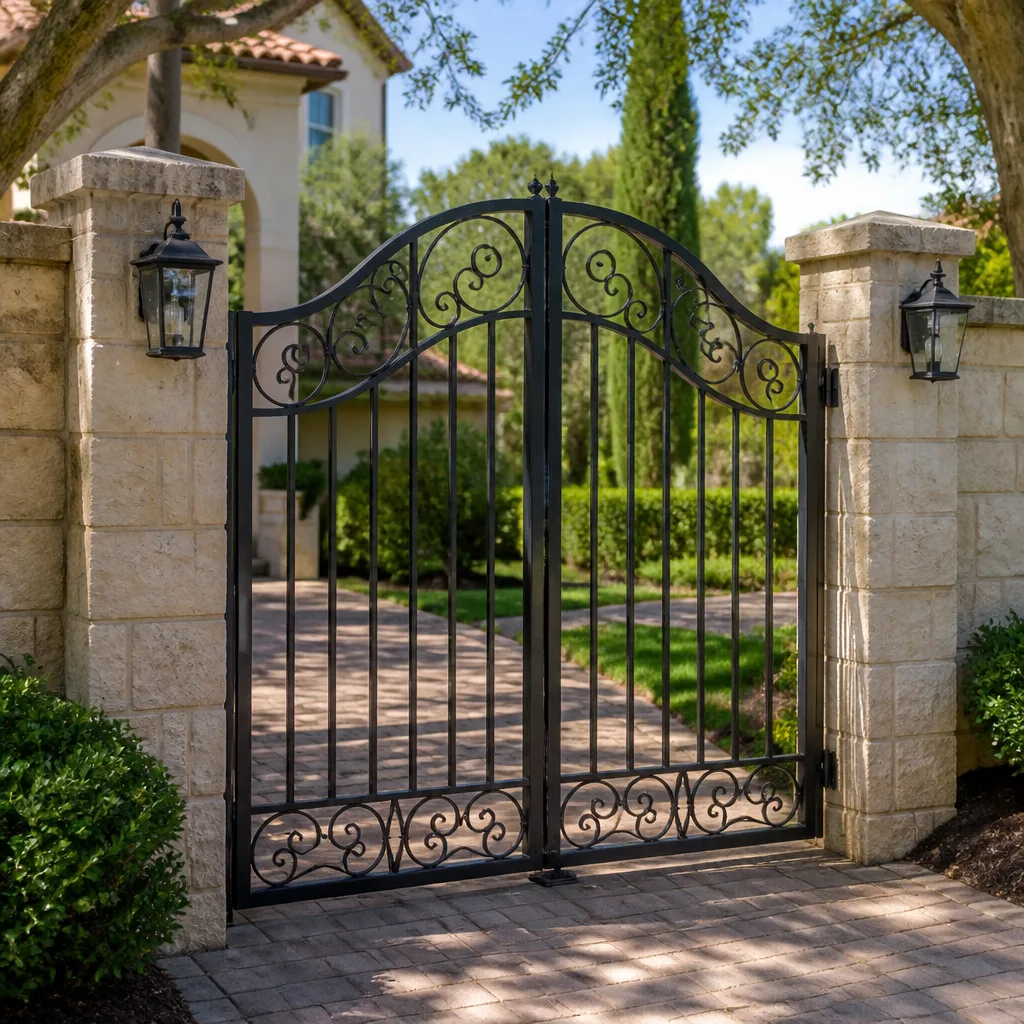 Wrought iron
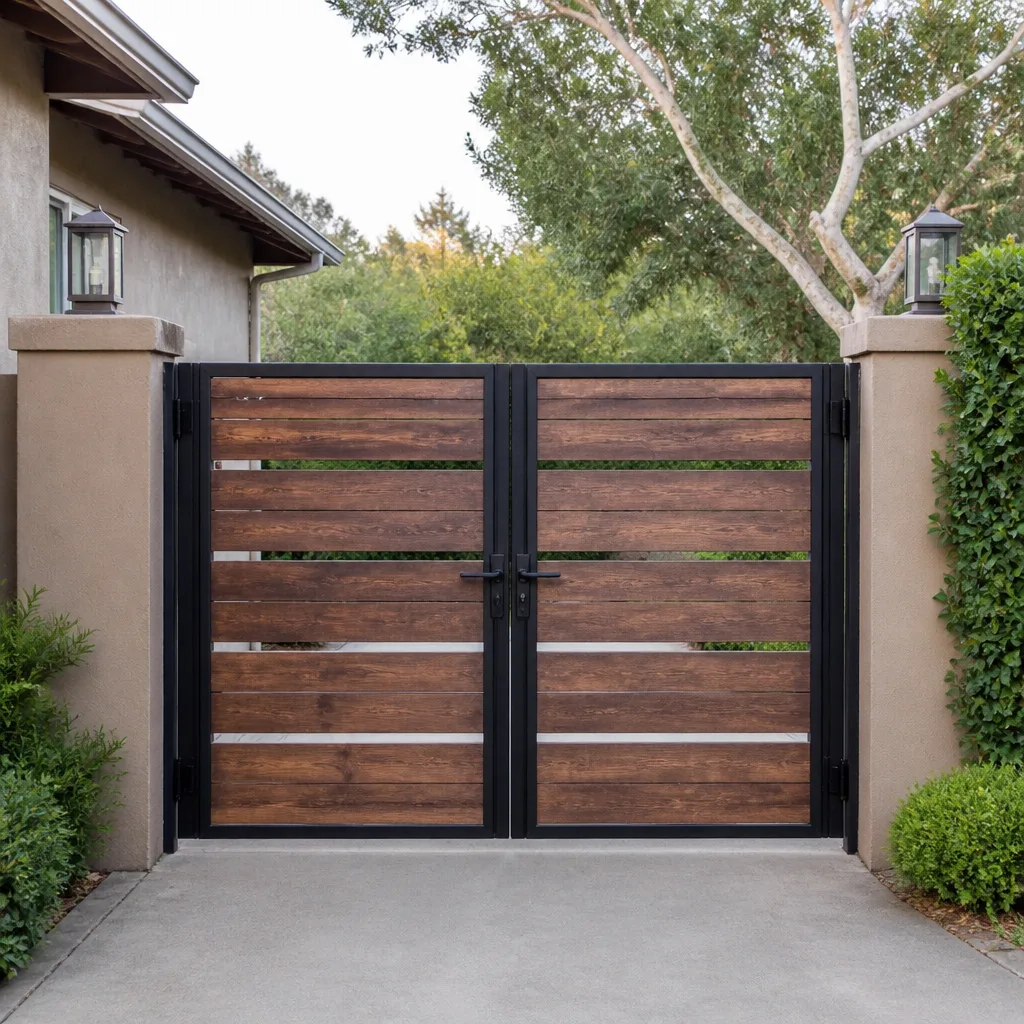 Wood & steel frame
 Farm & ranch
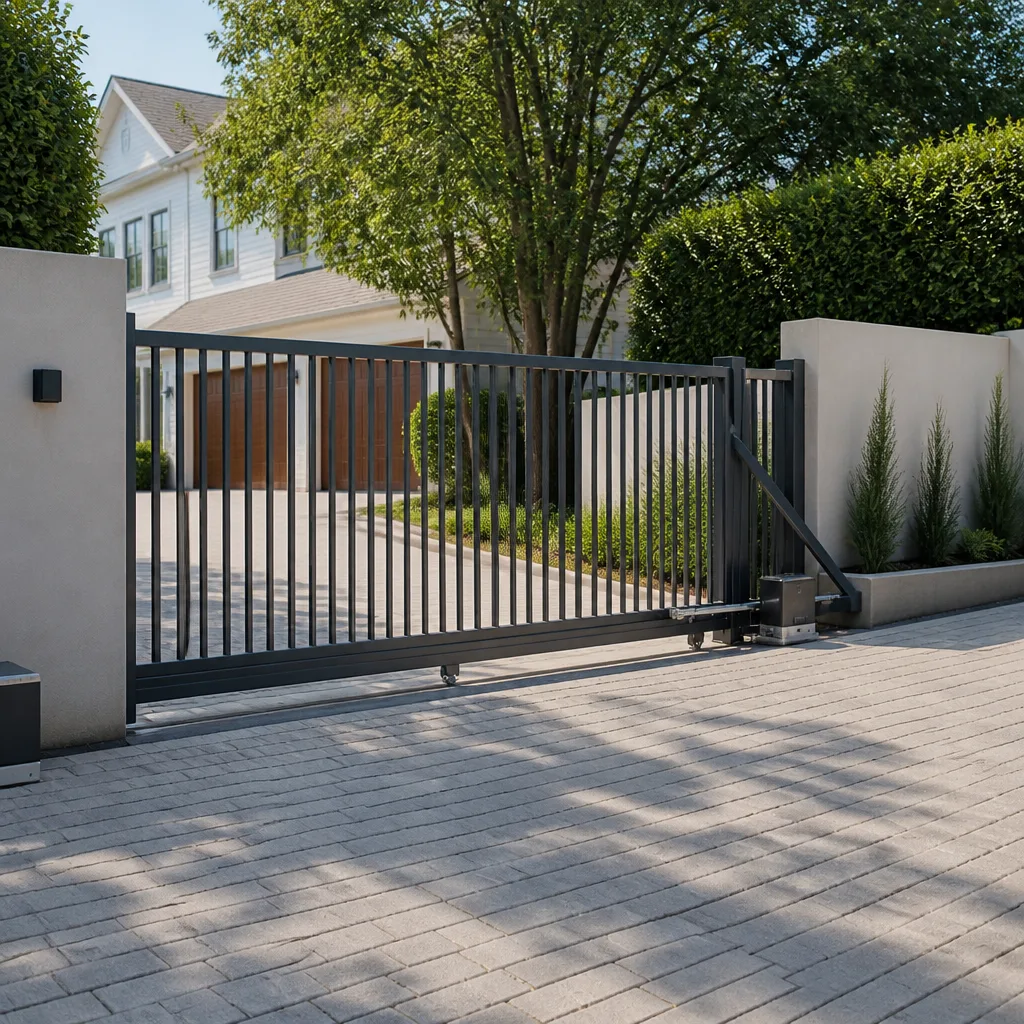 Sliding driveway gates
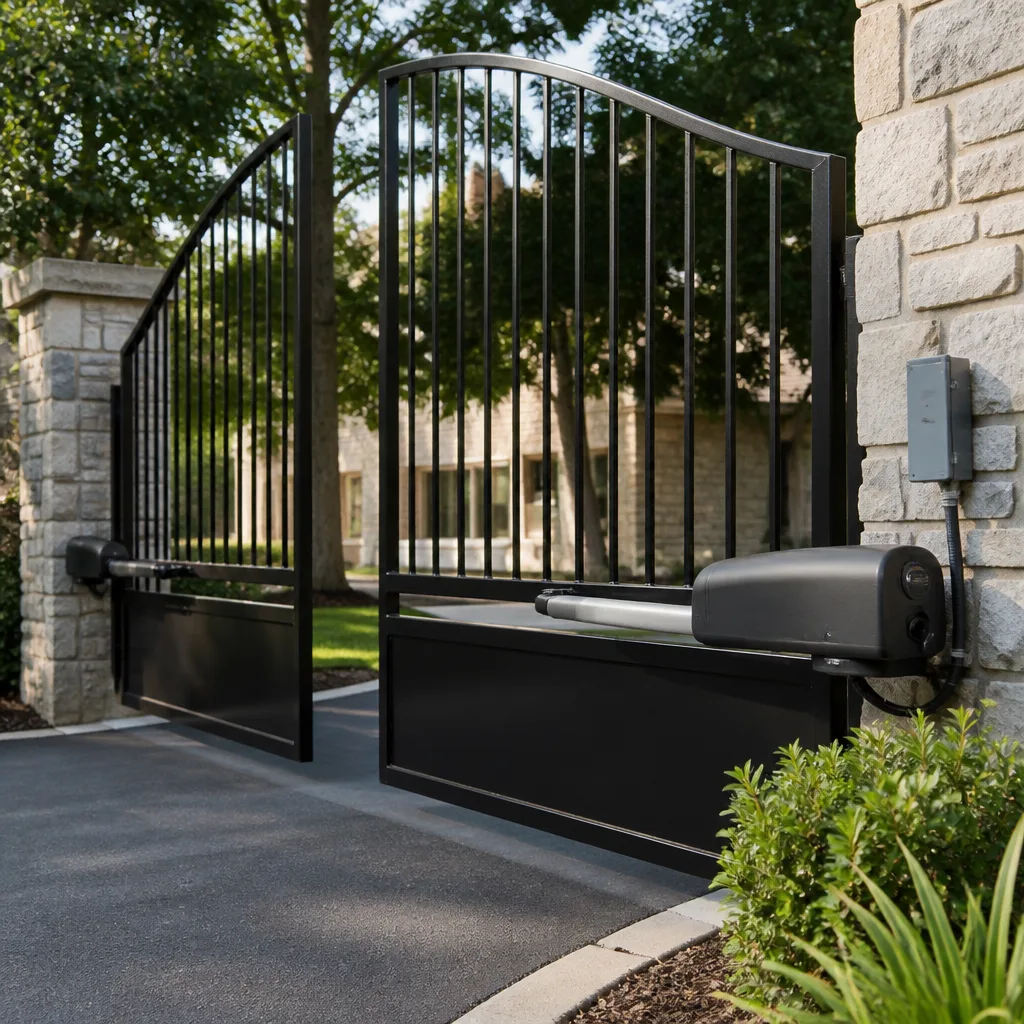 LiftMaster operators
Free on-site gate assessment - hinges, posts, and your LiftMaster or Nice gate operator checked before anything is quoted
The assessment is free and the quote is the invoice.
Get your free estimateGate Repair Maintenance Checklist for Riverside Homeowners
Most gate maintenance checklists floating around the internet are written for moderate coastal climates. Follow one of those in Riverside and you’ll skip the three checks that actually matter when July pushes past 100°F and the Santa Anas kick dust into every moving part you own. A gate in Riverside doesn’t fail the same way a gate in San Diego or Orange County fails. Heat degrades capacitors, dust grinds down chain drives, and solar operators bake in direct sun all summer long. This checklist is built around what actually goes wrong in Riverside, season by season, part by part. You’ll learn when to inspect, when to lubricate, when to call a specialist for Gate Repair services, and how to keep records that make any future repair dramatically faster and cheaper.
Styles & brands we work with
Quick Answer
A Riverside homeowner should inspect gate rollers, chains, and hinges monthly, clean and re-lubricate them quarterly, and schedule a full electrical load test on the motor and control board every 12 months. Solar gate operators need battery and capacitor checks annually at minimum because Riverside’s sustained heat shortens component life noticeably compared to coastal installs. Homeowners can safely handle visual inspection, cleaning, and lubrication; anything involving a multimeter, motor amp draw, or control board diagnostics belongs with a gate specialist.
Table of Contents
- Why Riverside’s Climate Changes Gate Maintenance
- Monthly Gate Maintenance Checklist
- Quarterly Gate Maintenance Checklist
- Annual Gate Maintenance Checklist
- Solar Gate Operator Maintenance in Riverside
- What a Homeowner Can Inspect vs. What Needs a Technician
- How to Document Gate Maintenance History
- Common Mistakes to Avoid
- When to Call a Professional
- Frequently Asked Questions
- The Bottom Line
Why Riverside’s Climate Changes Gate Maintenance
Riverside sits in the Inland Empire, where summer temperatures routinely exceed 100°F and dry Santa Ana winds push fine dust and grit into every bearing surface on your property. That combination, sustained heat plus airborne particulates, is what kills gate components before their expected service life. We’ve pulled apart gate motors in Gate Repair in Riverside jobs where the control board showed clear thermal stress damage after only four or five summers. Metal expands in heat, clearances tighten, and motors work harder. Dust acts like sandpaper on chain drives and hinge pins. A homeowner following a generic checklist written for a mild climate simply doesn’t lubricate often enough or check the right electrical failure points.
Here’s what Riverside heat and wind actually do to a gate system:
- Capacitors degrade faster. Start capacitors and run capacitors inside gate operators are rated for specific temperature ranges. Sustained ambient heat above their rating shortens lifespan by years, not months. A capacitor that should last eight years may fail in five in Riverside’s summer heat.
- Chain drives accumulate abrasive dust. The chain on a slide gate picks up dirt every single day. Without regular cleaning and fresh lubrication, that grit works into the pins and rollers, stretching the chain and wearing the drive sprocket. Chain replacement should never be a surprise expense.
- Solar panels lose efficiency from dust buildup. Riverside gets heavy sun, which is great for solar gate operators, but that same dry environment coats panels in dust that cuts charging efficiency by 10 to 20 percent if left unwashed through a Santa Ana season.
- Batteries in solar operators cook. Solar systems store energy in batteries that hate heat. A battery installed in direct afternoon sun in Riverside can see case temperatures well above its safe operating range. That heat accelerates internal corrosion and sulfation, killing the battery early.
The good news is that every one of these failures is predictable and mostly preventable with a maintenance schedule that accounts for Riverside’s actual conditions. That’s what the rest of this guide covers.
Monthly Gate Maintenance Checklist
Monthly checks are about catching changes before they become failures. These ten or fifteen minute inspections are visual and physical. No tools beyond a flashlight and a rag are required for most of them. The goal is to establish a baseline for how your gate sounds, moves, and looks when it’s healthy, so you notice the subtle differences when something starts to go wrong.
Here’s the monthly routine we recommend for every Riverside homeowner with an automatic gate:
- Watch and listen to a full open and close cycle. Stand near the gate and run it through one complete open and one complete close. Listen for grinding, squealing, popping, or a change in motor pitch. A healthy gate moves smoothly and sounds consistent throughout the cycle. A gate that hesitates mid-cycle or sounds strained near the end of travel is telling you something.
- Check the chain or belt tension by hand. On slide gates with a visible chain drive, press down on the chain at the midpoint between the motor sprocket and the idler. There should be no more than about an inch of deflection. Too loose means slipping and accelerated sprocket wear; too tight means stress on the motor bearings. If you’re not sure what the correct tension looks like for your operator brand, a Riverside gate specialist can set it in one visit.
- Inspect gate rollers and track for debris. Slide gates roll on steel wheels in a track, and that track collects leaves, gravel, and dust in Riverside on a weekly basis. Clear out anything that shouldn’t be there. Check that all rollers actually roll and don’t slide along the track. A seized roller wears a flat spot and then starts grinding down the track itself.
- Test the auto-reverse or obstruction sensor. Set a broom handle or a piece of lumber in the gate’s path and close it. The gate should stop and reverse before crushing the object. This is a safety mechanism, not a convenience. Test it monthly without fail. If your gate doesn’t reverse, stop using it immediately and call a professional.
- Look at the hinge pins on swing gates. Swing gates hang on hinges or pivot bearings that bear the full weight of the gate leaf. Look for sagging, rust streaks, or visible wear on the pins and bushings. A sagging gate puts uneven pressure on the opener’s arm and shortens motor life.
- Wipe down photo eye lenses. The safety sensor on each side of the gate opening has a small lens that gets dusty fast in Riverside. A soft dry cloth takes care of it. If the lenses are hazy or deeply pitted from years of sun exposure, they may need replacement to function reliably.
- Walk the fence line for shifted posts. Gates that were perfectly aligned a year ago can bind today because the post shifted, the concrete settled, or the ground moved during winter rains. If your gate catches or scrapes at any point in its travel, note where and when. That information helps a technician diagnose faster later.
These seven monthly checks take most homeowners under twenty minutes once they know what to look at. They don’t require opening the operator enclosure or touching any electrical components. And they’ll catch the majority of mechanical issues early enough that a minor adjustment prevents a major repair.
Quarterly Gate Maintenance Checklist
Four times a year, set aside about an hour for deeper cleaning and lubrication. In Riverside, we suggest timing these around the seasonal shifts: after the winter rains stop, before the first heat wave, after the worst of summer, and after the Santa Ana season. Each season leaves different debris and stresses on the system.
Here’s the quarterly routine:
- Clean the chain drive thoroughly before lubricating. This is the step most people skip. Lay down cardboard under the chain, wipe the entire chain with a clean rag to remove old grease and embedded grit, and then apply a fresh coat of chain lubricant. If you lubricate over a dirty chain, you’re just creating grinding paste that accelerates wear. In Riverside, after a Santa Ana event, the chain may look visibly dirty. Clean it first, always. We see chain drives in Riverside that look like they’ve been dipped in fine dust. A chain cleaned and lubed quarterly lasts double the life of one that gets sprayed with lube every few months over old grime. Ghost Controls and Mighty Mule chains especially respond well to this, as their lighter chains run hotter and break faster when unlubricated.
- Lubricate hinge pins, pivot bearings, and rollers with the correct product. Use a dry silicone or lithium spray on hinge pins and rollers. Avoid heavy grease on these parts in Riverside because it captures dust. A light film of the right lubricant reduces friction without turning into a dirt magnet. Focus on the pivot bearings of swing gates and the roller axles of slide gates. On any gate with a Ghost Controls or DoorKing operator, the pivot points matter even more because those systems use direct-drive arms that work harder against resistance.
- Inspect all wiring for heat damage, cracking, or rodent wear. Riverside’s heat breaks down wire insulation faster than you’d expect. Open the operator cover if you’re comfortable doing so and look at visible wiring runs. Cracks, discoloration, or exposed copper mean it’s time to replace the wiring before it shorts. Rodent damage is also common in Riverside yards, especially where gates run along walls or landscaping. Chewed insulation near the control board is a safety issue and a common cause of intermittent gate failures.
- Check the control board for signs of overheating. Look for discoloration, bulging capacitors, or burn marks around the board and transformer. A control board that gets too hot in a Riverside summer may not fail immediately; it fails on the first cool morning when the thermal cycling catches up with it. If anything looks melted, swollen, or scorched, stop using the gate and call a specialist.
- Test the manual release mechanism. Every automatic gate has a way to disengage the motor and operate the gate by hand. This is your emergency backup when the power goes out or the motor fails. Test it quarterly to make sure it still works. Rust, dust, and infrequent use seize these mechanisms. A manual release that doesn’t work turns a minor power outage into a trapped-vehicle emergency.
- Wash solar panels if you have them. This applies to solar operators from any brand, including Viking and Linear systems. A soft sponge, mild dish soap, and water are all you need. Don’t use abrasive pads or high-pressure spray. Clean panels charge 15 to 20 percent more efficiently, which directly extends battery life and prevents low-voltage faults.
Annual Gate Maintenance Checklist
The annual maintenance is where a trained technician with the right diagnostic tools earns their visit. Once a year, ideally in early spring before the Riverside summer arrives, schedule an electrical load test and full system inspection. This is not something to attempt as a homeowner. It requires a clamp meter, a multimeter, and the ability to interpret amp draw against the operator’s specification sheet—see Gate Repair Permits, Codes & Inspections in CA: What You Need to Know for regulatory context.
After a decade of working on gates across Riverside’s neighborhoods, from Canyon Crest to Wood Streets to Mission Grove, we can say confidently that annual electrical testing catches the failures that visual inspections miss. A capacitor can look perfect and test completely dead. A motor can sound fine and draw twice its rated amps, doomed to fail on the hottest day of August.
The annual service should include:
- Motor amp draw test. A clamp meter measures how many amps the motor pulls during open and close cycles. The reading is compared to the manufacturer’s spec for your operator. High amp draw means friction somewhere in the system, failing bearings, or a motor winding on its way out. Catching it early means fixing the root cause instead of replacing a burned motor later.
- Capacitor testing. Failures in gate systems are most commonly capacitor failures. The tech tests both the microfarad rating and the physical condition. Capacitors in Riverside degrade from heat, and a weak capacitor causes sluggish starts, intermittent operation, and premature motor wear. Replacement is cheap; the damage from a failed one isn’t.
- Battery load test on solar and backup systems. Homeowners can check battery voltage, but a load test tells you if the battery can actually deliver rated current under stress. A battery that reads 12.8 volts at rest can still be dead under load. Annual load testing on solar systems in Riverside is the single most effective way to prevent unexpected gate failures, especially for operators from Viking or Ghost Controls, which are common in residential solar installs here.
- Control board diagnostic scan. Modern operators from Linear, DoorKing, and Elite store fault codes from every error the system has thrown. A technician with a diagnostic tool can read those codes and identify intermittent issues, marginal components, and safety events. Homeowners can’t get this information without the right interface, but it’s gold for diagnosis.
- Safety system recalibration. The obstruction sensor, auto-reverse sensitivity, and photo eye alignment should be verified and adjusted annually. Riverside sun can slowly warp photo eye housings just enough to misalign the beam, and that causes phantom stops and reversals that drive homeowners crazy.
- Full mechanical inspection and adjustment. Gate wheels, axles, wheel bearings, hinge bearings, chain tension, track alignment, stoppers, and guides all get inspected, adjusted, and lubricated where appropriate. One adjustment on a misaligned track can prevent years of rack wear.
- Enclosure seal inspection. The metal boxes that house gate operators take a beating from Riverside sun and rain. Gaskets harden, cracks form, and water intrusion follows. A sealed enclosure protects everything inside from the elements, and resealing it is a few dollars of material and fifteen minutes of work.
An annual service like this typically runs one to two hours and costs far less than an emergency motor replacement. Every Riverside homeowner with an automatic gate should treat this as the single most important appointment on their property maintenance calendar.
Solar Gate Operator Maintenance in Riverside
Solar-powered gate operators are popular in Riverside for good reason. You get plenty of sun, you avoid running conduit across a long driveway, and the system runs off-grid with no monthly power cost. But solar operators come with maintenance requirements that hardwired AC systems don’t have, and Riverside’s climate makes those requirements more urgent, not less.
The three components that need attention on any solar gate system are the panel, the battery, and the charge controller. Here’s what to know about each:
Panel maintenance. Dust is relentless in Riverside. A panel that’s never cleaned loses 10 to 20 percent of its charging capacity, and that loss directly reduces the number of cycles your gate can handle before the battery drains. Clean the panel quarterly with water and a soft sponge. More often during Santa Ana season. Also check for micro-cracks in the glass, loose mounting brackets, and any shading that new tree growth may have created. A panel that used to get six hours of full sun now might be getting four, and the operator will show it with low-voltage faults.
Battery maintenance. Solar batteries in Riverside sit in heat that shortens their rated lifespan. A battery that’s rated for five years may realistically last three when installed in an enclosure with direct southern exposure. Annual load testing catches batteries before they fail completely. Check the battery terminals for corrosion twice a year, and keep the battery enclosure clean and dry. If you’re replacing a battery, consider upgrading to an AGM or lithium unit rated for high-temperature operation. They cost more up front but live longer in this climate. We work extensively with solar operators from Ghost Controls and Viking, and the same maintenance principles apply across both brands.
Charge controller health. The charge controller regulates power from the panel to the battery and prevents overcharging. Heat affects its internal components the same way it affects capacitors. If your solar gate works fine during the day but struggles in the early morning, that’s a classic sign of a controller issue or a failing battery. A technician with a meter can identify which one it is in minutes, but the check requires a service call.
For any solar system in Riverside, the best thing a homeowner can do is keep a log of when the gate was serviced and any low-voltage warnings they’ve seen. That history helps a technician pinpoint whether the panel, battery, or controller is the source of the problem on the first visit instead of the second.
What a Homeowner Can Inspect vs. What Needs a Technician
Knowing where your responsibility ends and a professional’s begins saves money, time, and frustration. It also prevents the kind of dangerous situations that happen when someone opens an operator enclosure without understanding what’s inside. Some gate components carry voltage even with the power disconnected. Capacitors store charge. Springs and chains are under tension. That’s not a warning to be scared of your gate; it’s a reason to respect the line between inspection and repair.
Safe and appropriate for most homeowners:
- Visual inspection of all mechanical components
- Cleaning chains, tracks, and rollers
- Lubricating chains, hinges, and pivot points with correct products
- Testing the auto-reverse and photo eyes monthly
- Cleaning solar panels
- Checking chain tension by feel
- Listening for abnormal sounds during operation
- Checking for debris, rust, and physical damage
- Testing the manual release mechanism
Should always go to a Riverside gate specialist:
- Any diagnosis that requires opening the operator enclosure and testing electrical components
- Motor amp draw measurements and interpretation
- Capacitor testing and replacement
- Control board fault code retrieval and diagnosis
- Battery load testing on solar systems
- High-tension chain and spring adjustments
- Welding, grinding, or structural gate repair
- Sensor realignment and safety system recalibration
- Any repair on a gate that fails its monthly auto-reverse test
The line is simple: if you’re looking at it, wiping it down, or applying lubricant, it’s homeowner territory. If you’re testing it with a meter, adjusting tension under load, or removing electrical covers, call a professional. We’ve made plenty of visits to Riverside homes where a well-meaning homeowner turned a simple adjustment into a complicated repair by working on a component they didn’t fully understand. The most expensive maintenance mistake is usually the one that starts with “it looked simple enough.”
How to Document Gate Maintenance History
Good records make every future repair faster. A technician arriving at your Riverside home with a gate that’s been acting up needs two things: the recent service history and any pattern of symptoms you’ve noticed. The more you can provide, the less time they spend diagnosing, which means a lower bill and a faster fix.
We recommend keeping either a simple notebook or a notes app entry with these data points for every maintenance session:
- Date and time of the check
- What you did (cleaned chain, lubricated hinges, tested auto-reverse, etc.)
- What you found (normal operation, minor rust, chain felt loose, photo eye misaligned)
- Parts replaced with brand and model if known
- Unusual sounds or behaviors you noticed during the cycle
- Weather conditions during any failure events
- Any fault codes or flashing light patterns from the operator
Beyond the log itself, a few photos go a long way. Take a picture of the operator’s model plate, the control board, the chain or belt condition, and any rust or wear spots you’re tracking. Store them in an album on your phone named after the gate. When a technician asks, “when did this start?”, you’ll have an answer with dates instead of a vague guess.
One more thing worth writing down: the exact brand of your operator. At Riverside Gate Company home, we work across nine automation brands, including LiftMaster, FAAC, BFT, Linear, Viking, Ghost Controls, DoorKing, Elite, and Mighty Mule, and knowing the brand before the first visit means our technician arrives with the right parts in the truck. You’d be surprised how many homeowners don’t know what operator they have. That model plate photo solves it instantly.
If you ever sell the home, this maintenance log is a real selling point. It shows the gate was maintained properly and gives the next owner confidence that they’re not inheriting a deferred-repair nightmare.
Common Mistakes to Avoid
- Lubricating a dirty chain. Adding fresh lubricant to a chain coated in Riverside dust creates an abrasive paste that grinds away at pins and sprockets. Always clean first, then lubricate. This single mistake shortens chain life more than anything else we see in the field.
- Using WD-40 or engine oil on gate components. Standard penetrating sprays are solvents, not lubricants, and motor oil is an expensive dust magnet. Use a dry silicone or lithium spray formulated for chains and hinges. The product matters as much as the frequency.
- Ignoring a change in gate sound. Gates that start squeaking, grinding, or straining are telling you something specific. Ignoring an unusual sound for a few months turns a $150 adjustment into a $1,500 motor replacement. The moment the sound changes is the moment to act.
- Failing the monthly auto-reverse test without acting. Some Riverside homeowners skip the safety test or test it and then shrug when it fails. A gate that doesn’t reverse on obstruction is a liability and a danger to children, pets, and vehicles. The gate should be locked out and serviced immediately.
- Running a solar gate on a dying battery. A weak battery forces the charge controller and panel to work outside their designed parameters, which damages both over time. Replacing a battery early is cheaper than replacing a battery, a controller, and a panel later.
- One-size-fits-all maintenance schedules. Treating a Viking commercial-grade operator in an inland Riverside lot the same as a Mighty Mule DIY unit on a residential driveway ignores the fact that the two systems have completely different maintenance needs. Yearly electrical tests matter more on the Viking, while the Mighty Mule may need more frequent chain cleaning because of its lighter construction.
- Not documenting anything. Maintenance history fades from memory fast. Homeowners who can’t remember when the battery was last replaced or whether the chain was tightened twice and loosened once spend more on diagnosis than homeowners with a simple log. Documentation is free insurance.
When to Call a Professional
Some gate problems are obvious, like a gate that won’t open at all or a motor that makes a terrible grinding sound. But other issues are subtler and equally urgent. If your gate reverses randomly, stops halfway through its cycle, or triggers the safety sensor when nothing is nearby, don’t keep resetting the breaker and hoping. Intermittent failures are warning signs of a component on its way out, and the next failure might leave your vehicle trapped on the wrong side. If you smell burning plastic near the operator, cut power and call immediately. If the gate fails the monthly auto-reverse test, lock it out and stop using it until it’s inspected. If you hear grinding that gets louder each week or the gate starts moving noticeably slower than it used to, those are mechanical failures in progress. Riverside Gate Company offers free estimates in Gate Repair in Riverside service areas – call (855) 942-4867. A gate that’s acting strangely is never something to put off until next season.
Frequently Asked Questions
Riverside homeowners should do a visual and safety inspection monthly, clean and lubricate quarterly, and schedule a full electrical and mechanical service annually. This schedule is more aggressive than what coastal homeowners need because Riverside’s heat and dust accelerate component wear. We’ve seen gates where the difference between this schedule and a skipped year was the difference between a $200 service call and a $1,800 motor replacement.
Capacitor failure from heat is the problem we see most in Riverside, and it shows up as a gate that hums but won’t move, opens slowly, or starts intermittently. The fix is usually straightforward and inexpensive when caught early, but many homeowners replace the entire operator instead. A technician can test a capacitor in minutes, which is why annual electrical checks save money in Riverside’s climate.
Yes, but only after cleaning the chain first and using the right product, which is a dry silicone or lithium chain lubricant, never a penetrating spray or heavy grease. In Riverside, where dust accumulates quickly on chains, the cleaning step is what makes the difference between a properly lubricated chain and a chain grinding itself down with abrasive paste. If the chain is visibly dirty, don’t lubricate it until it’s clean.
Gate batteries in Riverside typically last three to five years depending on installation location, sun exposure, and the quality of the battery itself. Heat is the primary limiter; a solar battery on a south-facing wall in Wood Streets will age faster than one in a shaded enclosure in Canyon Crest. Annual load testing tells you exactly how much life is left, and replacing a battery early protects the charge controller and panel from damage – call (855) 942-4867 for a battery test in Riverside.
Every automatic gate has a manual release mechanism, usually a keyed handle or pull chain near the operator. If you’ve tested it quarterly as part of your maintenance routine, you’ll know exactly how it works and the gate will disengage for manual operation. If you’ve never tested it before and can’t get it to release, don’t force anything; call a gate specialist. A gate that can’t be operated manually during an outage becomes an emergency quickly.
The repair-versus-replace decision depends on the operator’s age, the cost of the failed part, and the overall condition of the system. As a general rule, if the motor and control board are both in good shape and a single component fails, repair makes sense. If you’re into a second or third failure in two years, replacement is probably cheaper over the next five years. A free estimate from a gate specialist gives you the numbers to decide either way. Riverside Gate Company handles both Electric Gate Repair in Riverside and Gate Installation in Riverside, so the recommendation is based on what’s actually best for your system, not what we’d prefer to sell.
The Bottom Line
Riverside gates fail differently than gates elsewhere, and a maintenance plan built for this city is the only one that works. Monthly visual checks catch problems early. Quarterly cleaning and lubrication keep dust from destroying moving parts. Annual electrical testing catches the failures you can’t see and can’t prevent by yourself. Solar systems need extra attention because heat and dust stress their batteries and panels. Document everything, test your safety systems without fail, and know where the line is between what you can handle and what belongs to a professional. A maintained gate in Riverside lasts years longer, fails less often, and protects your property more reliably than a neglected one, and it costs far less over time than the emergency repairs that neglect always leads to. Explore more guides & resources to keep your gate running smoothly.
Written by the team at Riverside Gate Company, serving Riverside since 2011.
See the difference
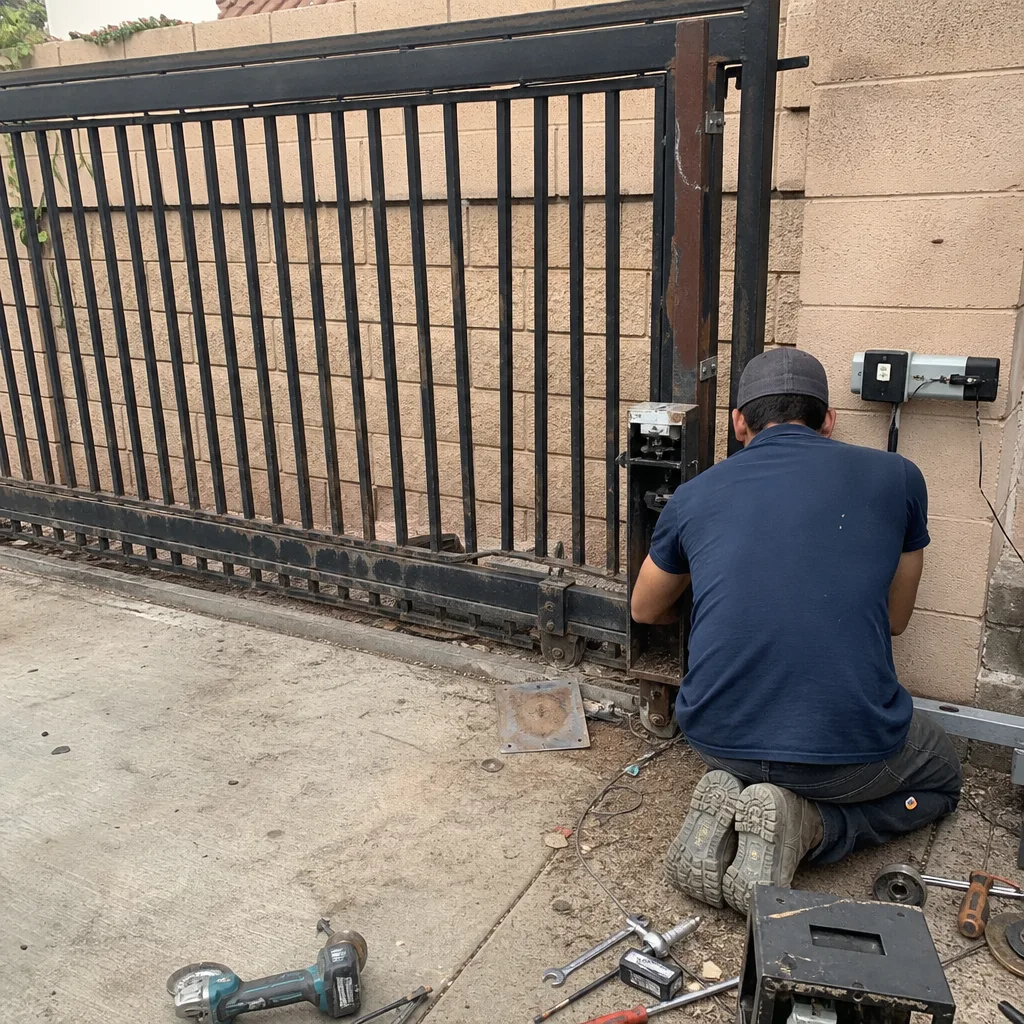 Before
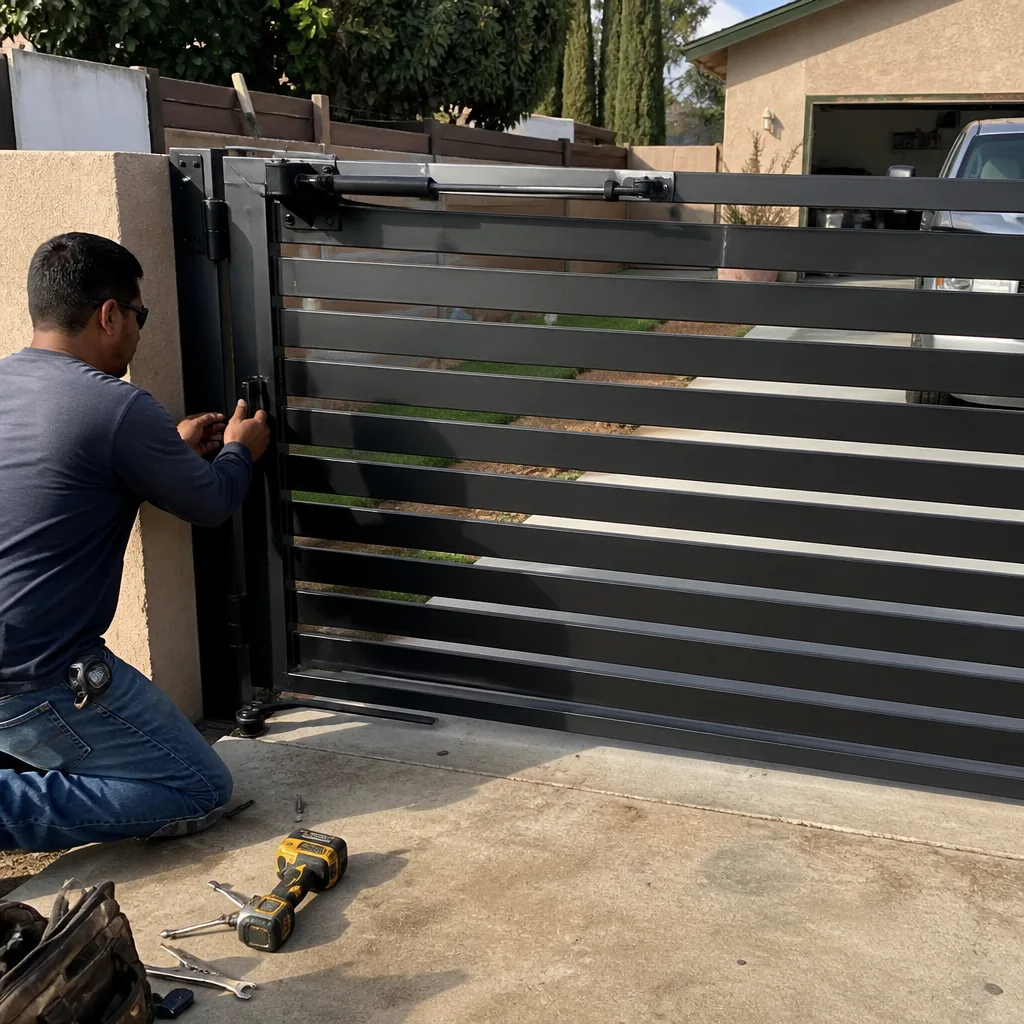 After
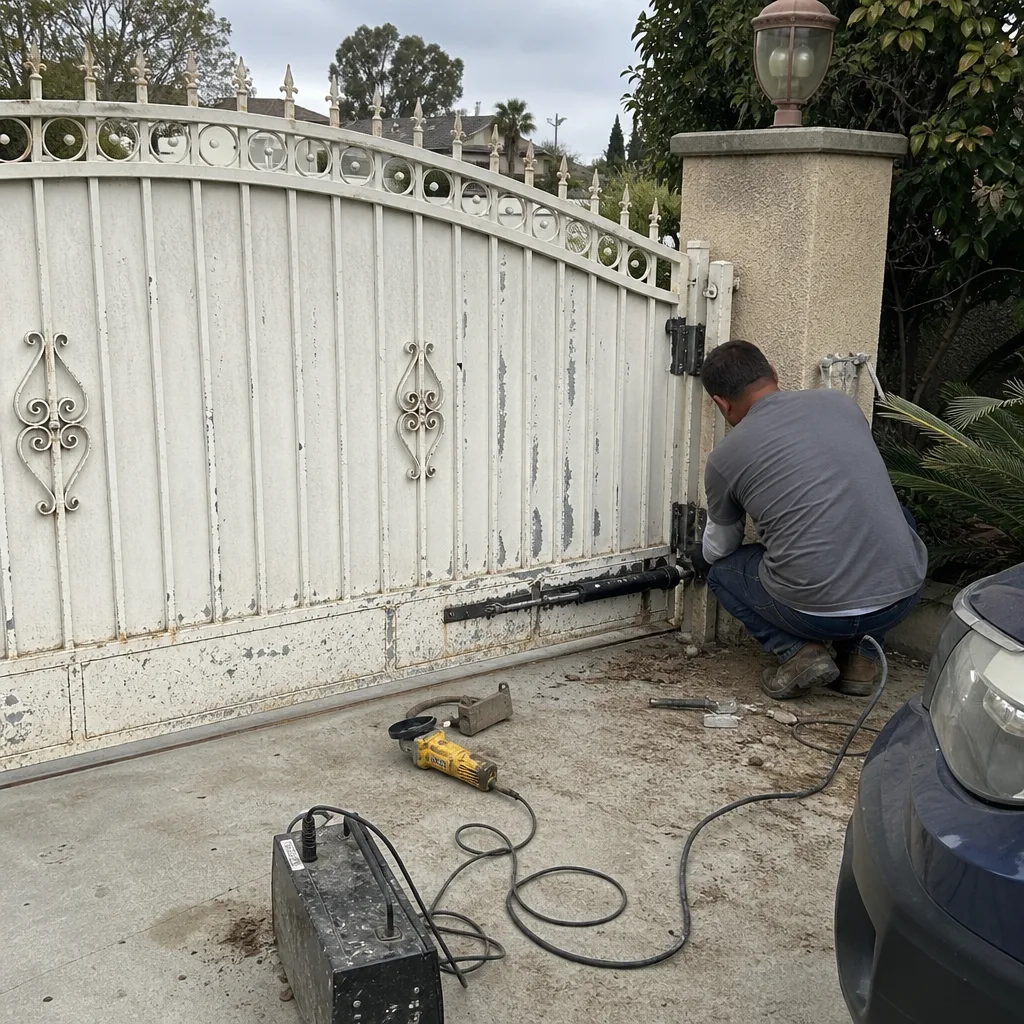 Before
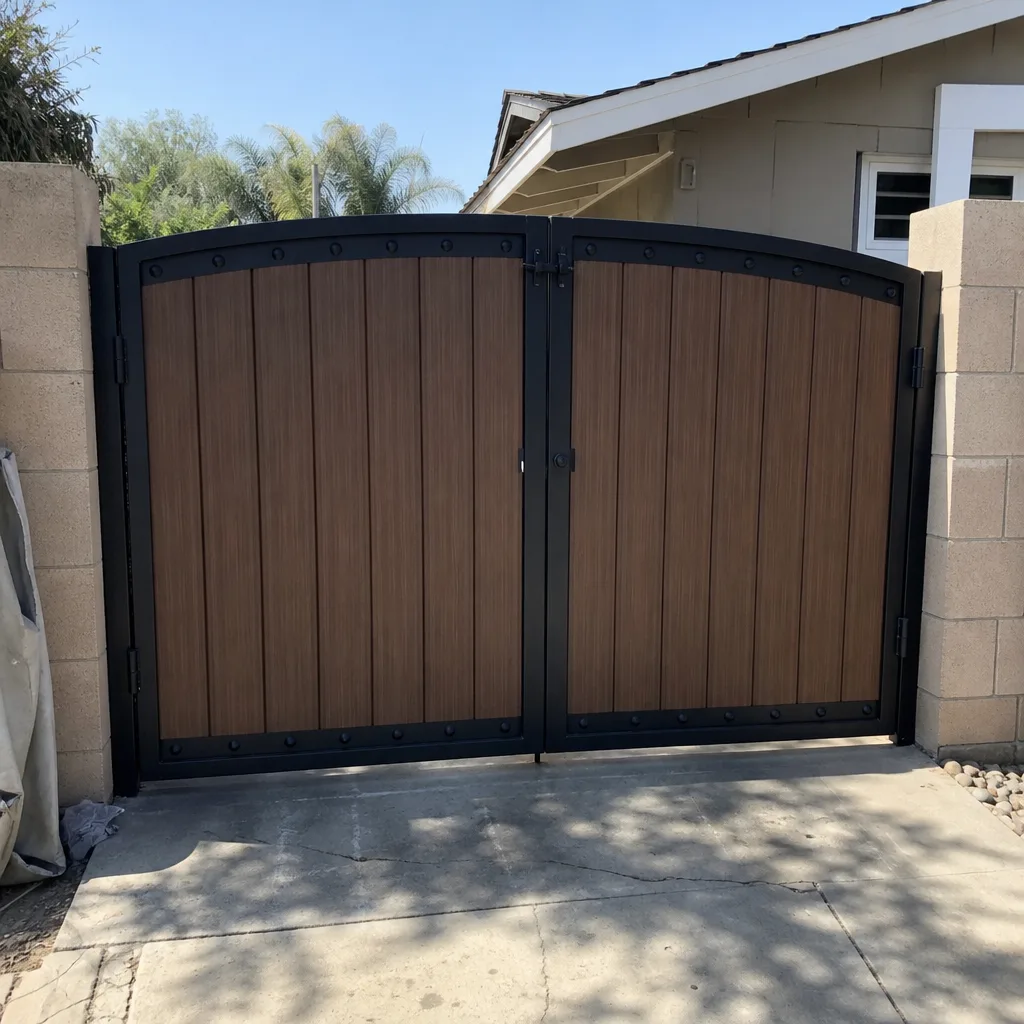 After
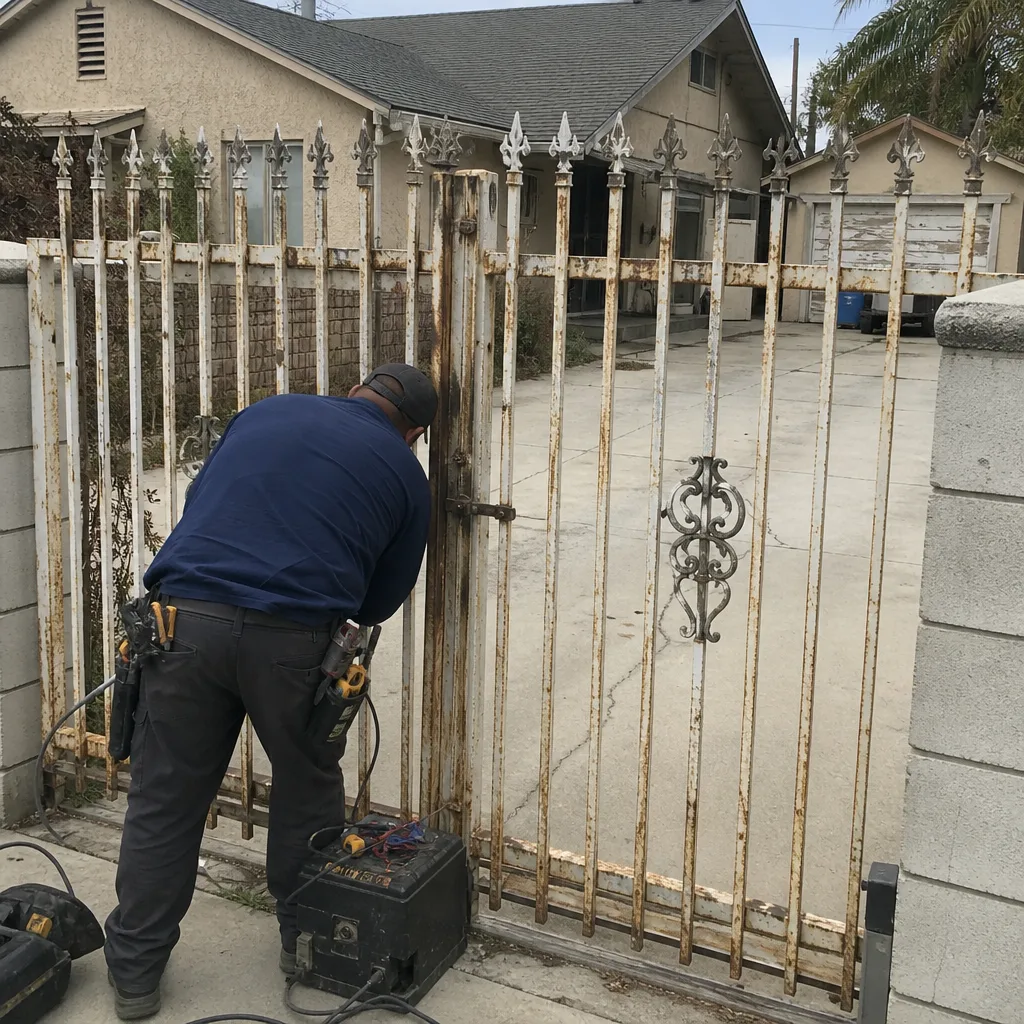 Before
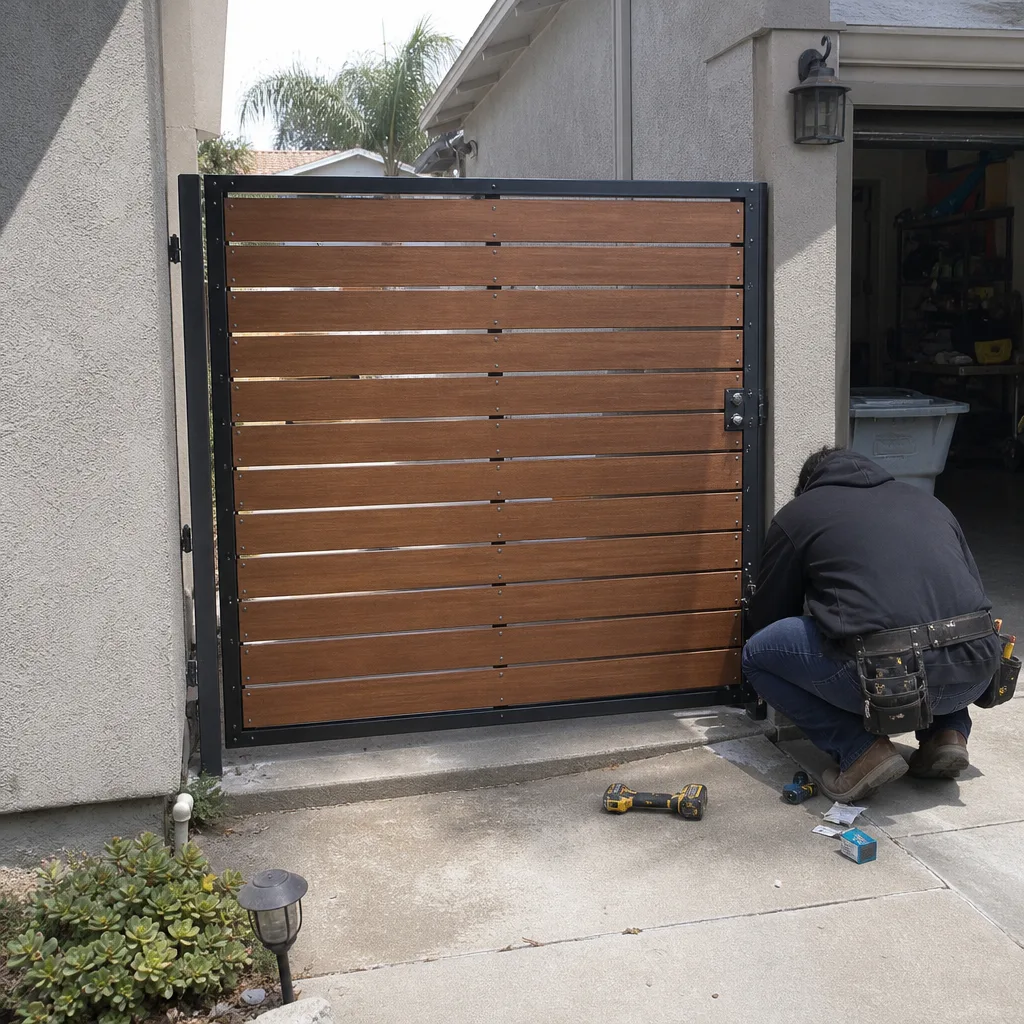 After